Article 47 BIS, section IX of the Civil Aviation Law provides as follows: “For national and international flights, the passenger may carry at least twenty-five kilograms of luggage free of charge when the flights are carried out on aircraft with capacity for twenty passengers or more, and fifteen kilograms when the aircraft has a smaller capacity, if it complies with the instructions of the dealer or permit holder regarding the number of pieces and volume restrictions. Excess baggage must be transported in accordance with the available capacity of the aircraft and the concessionaire or permit holder, in this case, has the right to request an additional payment from the passenger…” (sic). “…the passenger may carry up to two pieces of hand luggage in the cabin. The dimensions of each piece of hand luggage will be up to 55 centimeters long by 40 centimeters wide by 25 centimeters high, and the weight of both must not exceed ten kilograms, as long as due to their nature or dimensions they do not reduce the safety and comfort of passengers…” (sic).
Prohibited Items
Checked Baggage
- Starch in aerosol. Example: Ironing starch.
- Lithium batteries. Example: Cell phone or laptop batteries.
- Alcoholic beverages over 40 degrees, in any quantity.
- Batteries containing acid. Example: Car batteries.
- Electronic cigarettes.
- Corrosives or bleaching agents.
- Dynamite, gunpowder, or plastic explosives.
- Blowtorch lighters, electronic lighters, electric arc lighters, or plasma lighters.
- Fire extinguishers.
- Fireworks.
- Compressed gas in cartridges.
- Internal combustion engines, even if completely drained of fuel. Example: Lawnmowers, trimmers.
- Samsung Galaxy Note 7.
- Solvents. Example: Thinner, turpentine/mineral spirits.
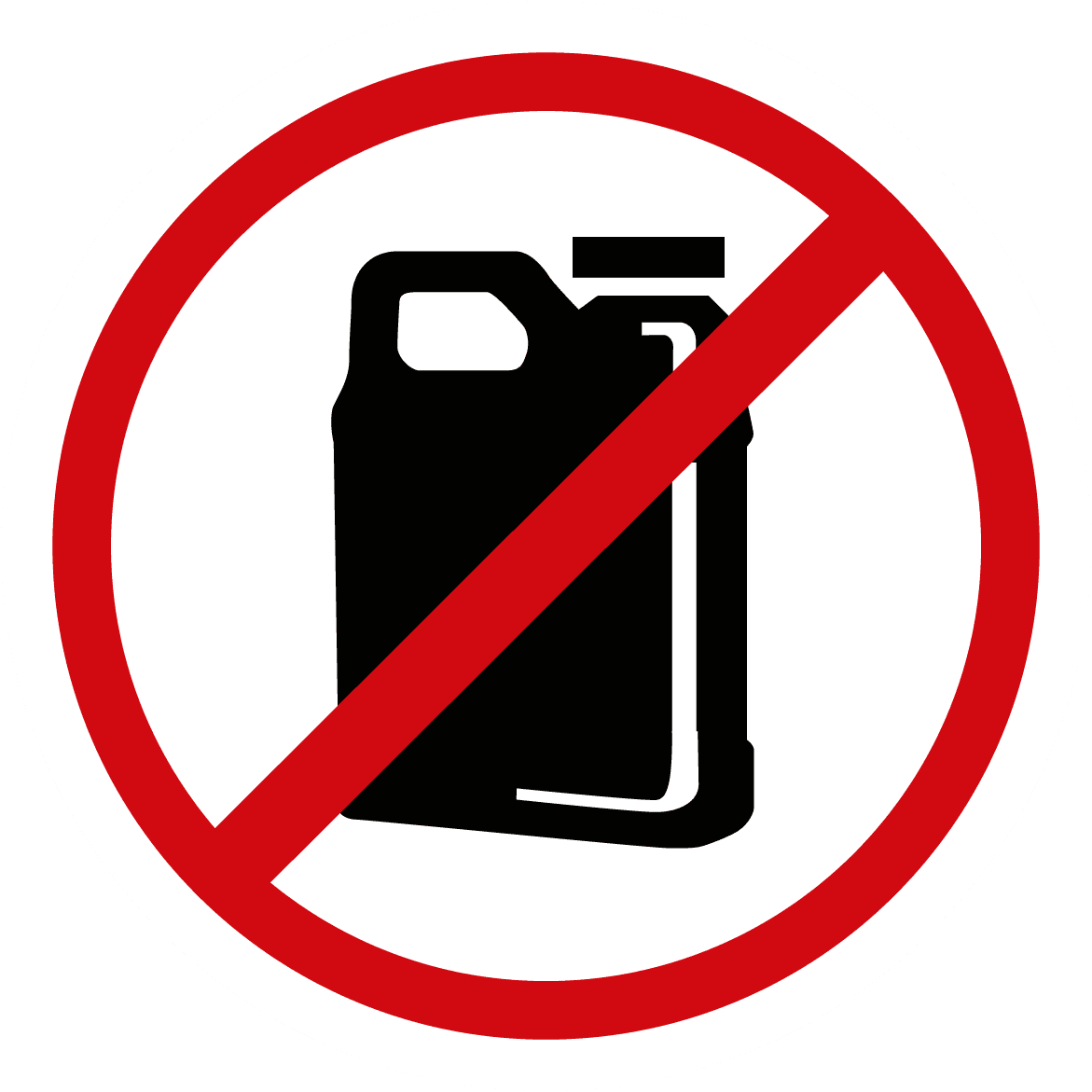
Solvents
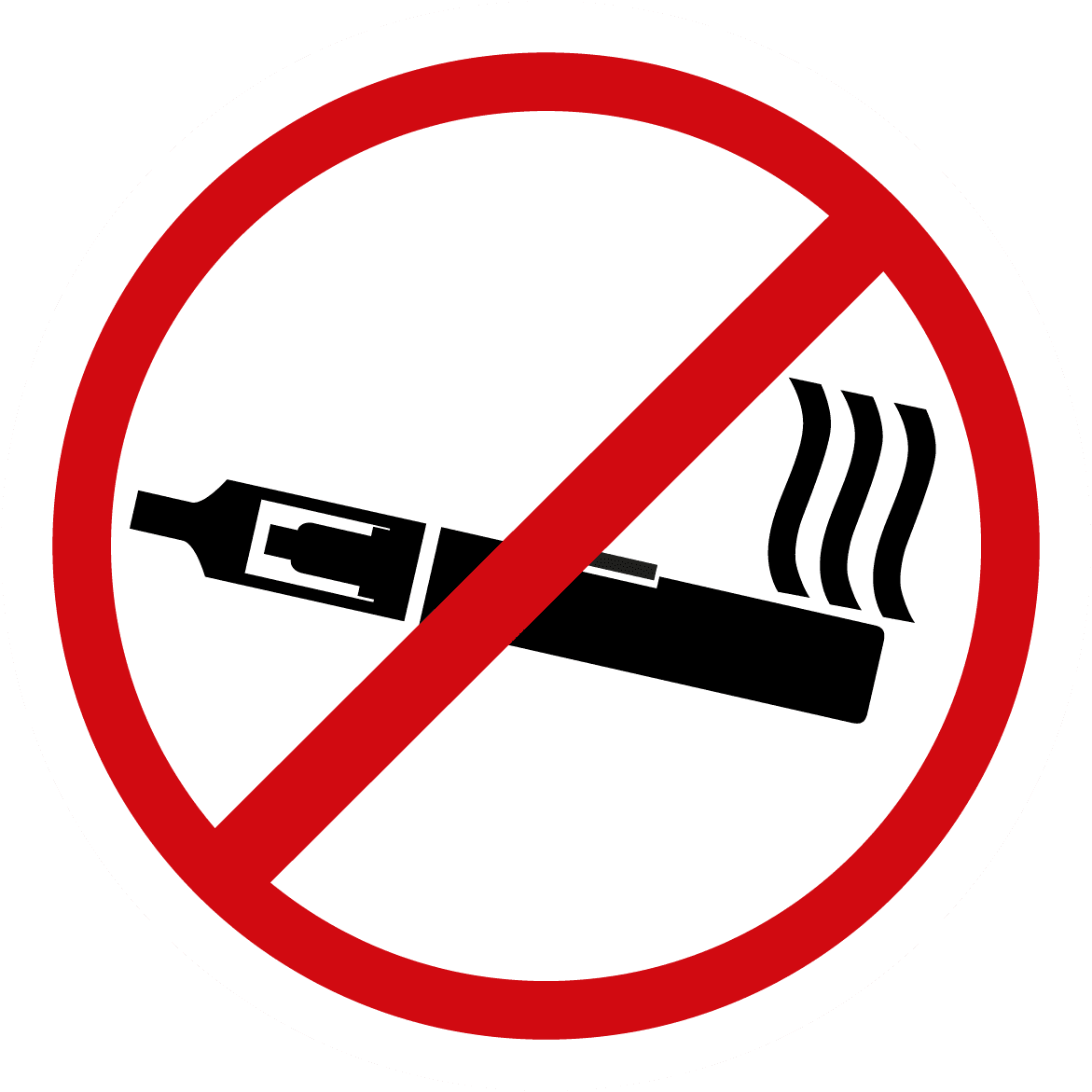
Electronic cigarettes
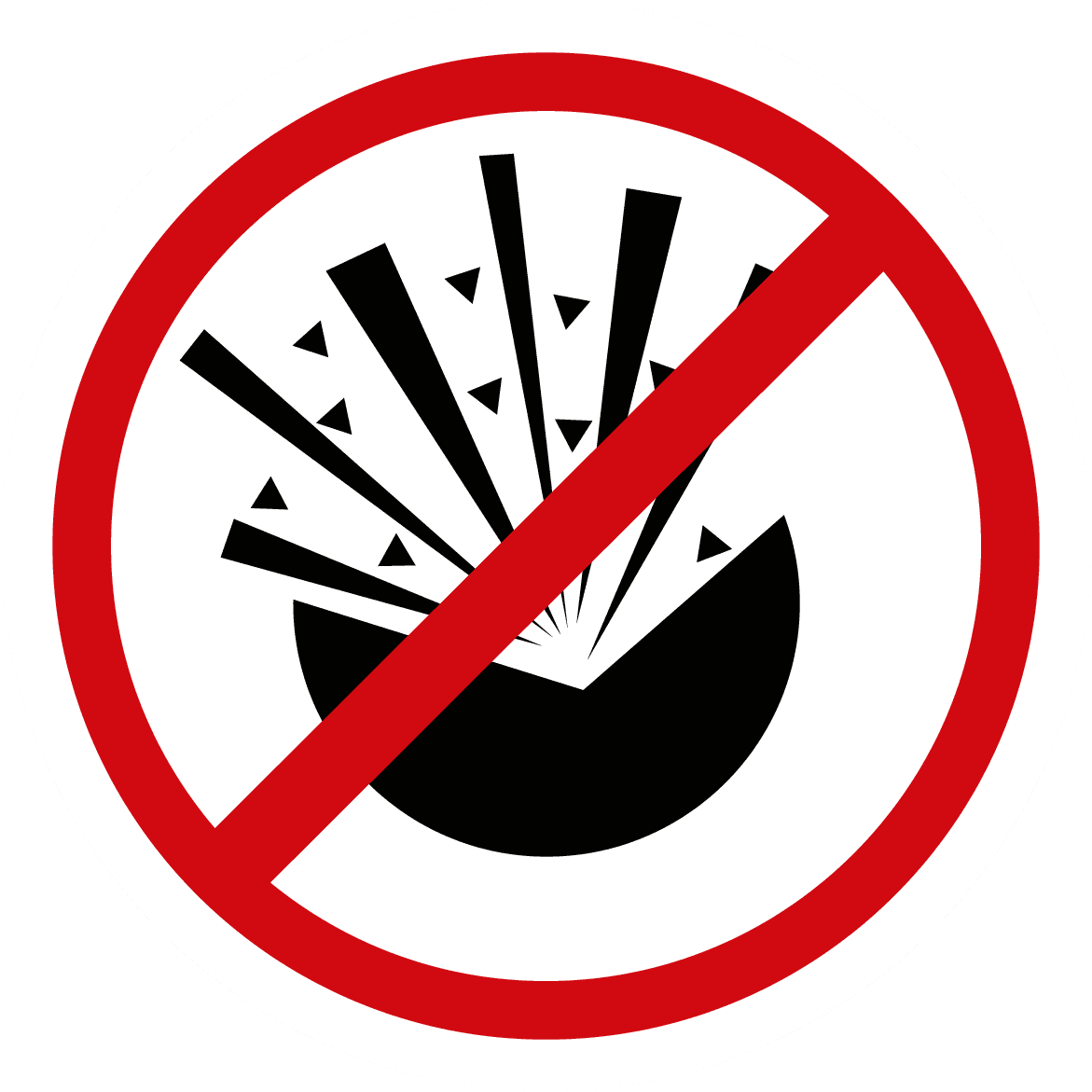
Explosives
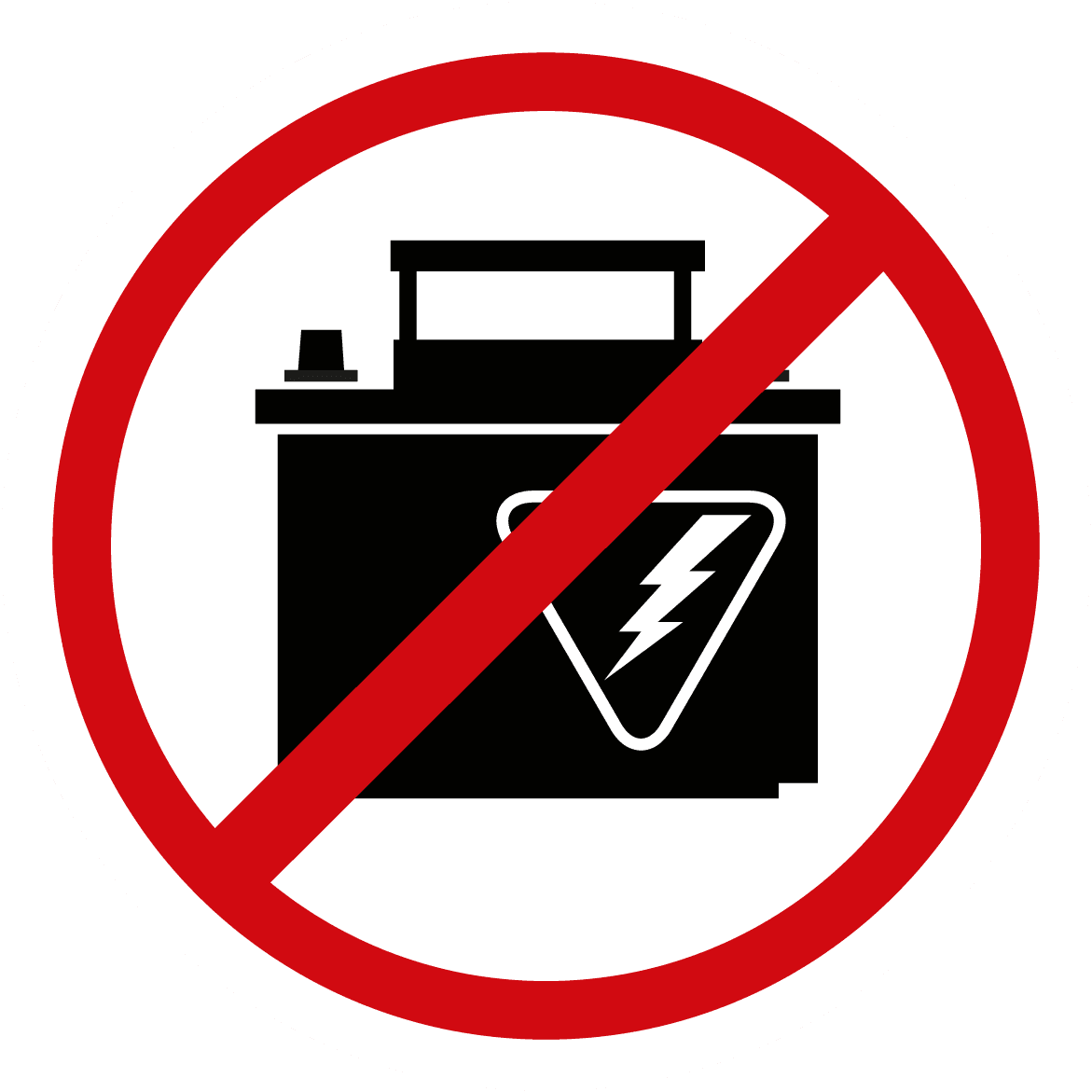
Batteries with acid
Carry-on Baggage
- Aerosols greater than 100 ml. (Hair spray, insecticides, spray paint).
- Foods with liquids, gelatinous or pasty consistency.
- Starch spray.
- Alcoholic beverages of more than 40° proof, in any amount.
- Corrosives or whiteners.
- Dynamite, gunpowder, or plastic explosives.
- Screwdriver.
- Torch, electric or plasma lighters.
- Fire extinguishers.
- Fertilizers.
- Fireworks.
- Compressed gas in cartridges.
- Gels in containers larger than 100 ml.
- Toys Guns.
- Liquids in containers larger than 100 ml.
- Internal combustion engines, even if they have been completely drained of fuel.
- Ammunition.
- Sharp objects (knives, scissors).
- Blunt Objects (e.g., baseball bats, hammers, tennis rackets, or other items that can be used to strike a person). Note: Canes and crutches are allowed.
- Glass or ceramic objects.
- Samsung Galaxy Note 7.
- Solvents.
- Self defense sprays.
- Candles.
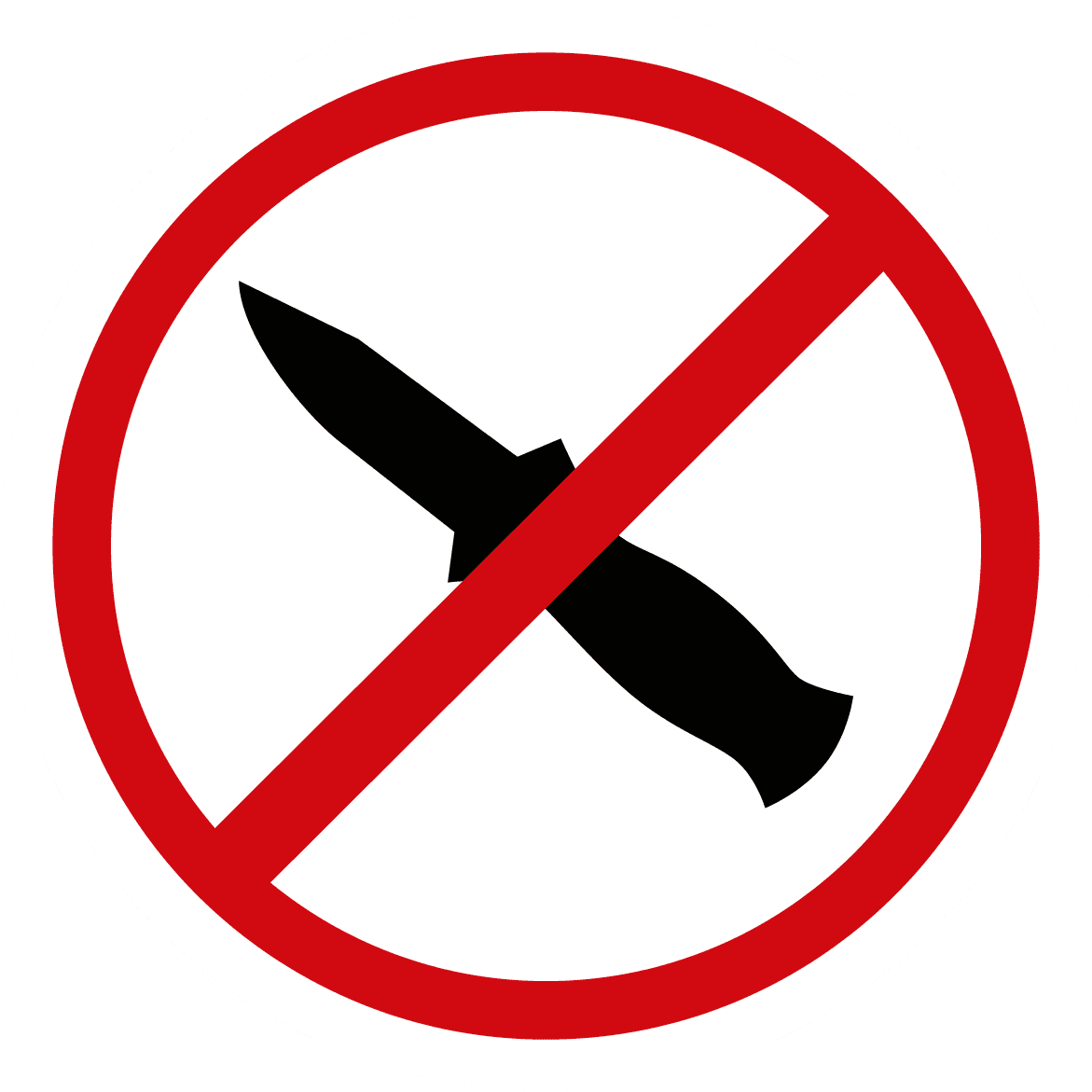
Sharp objects
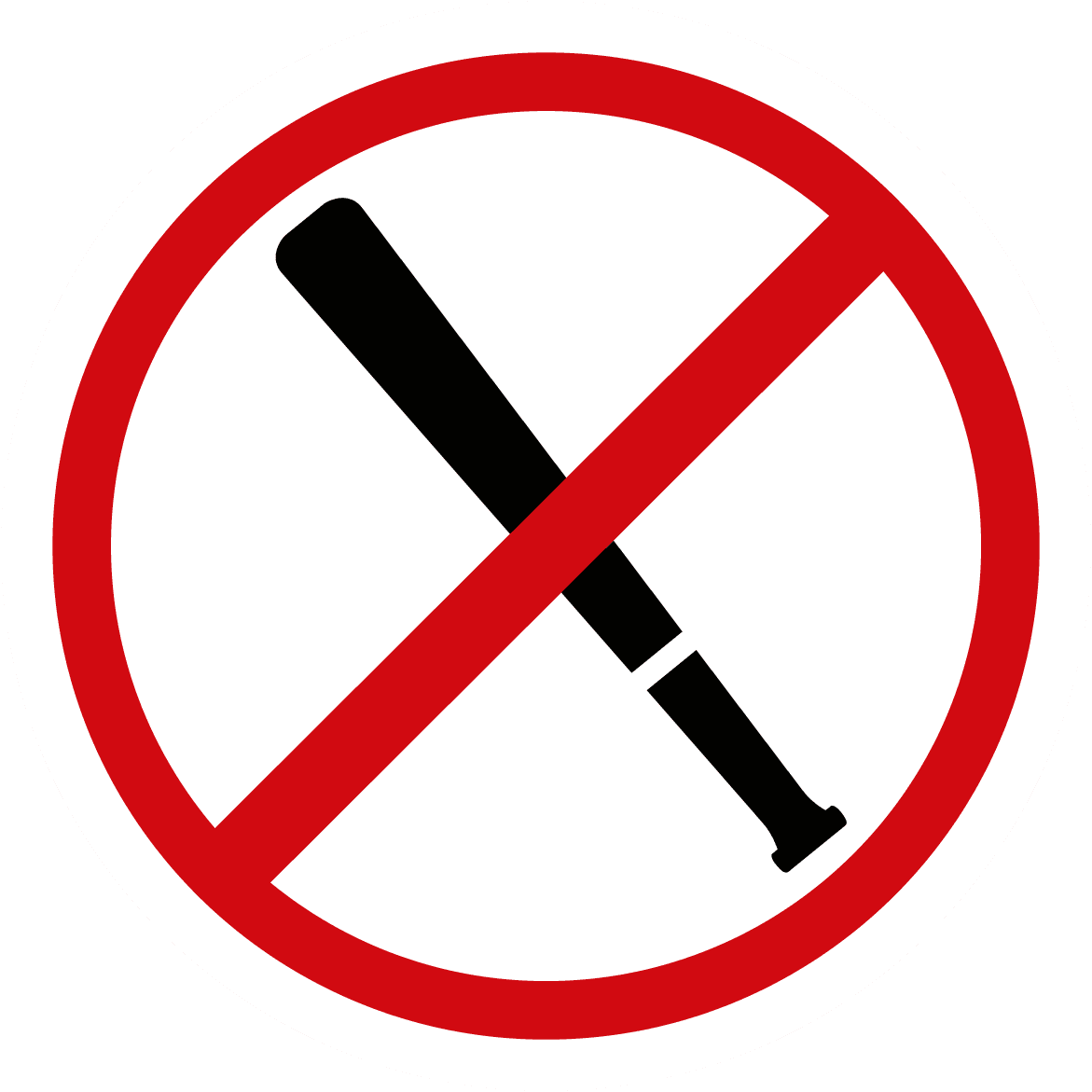
Blunt objects
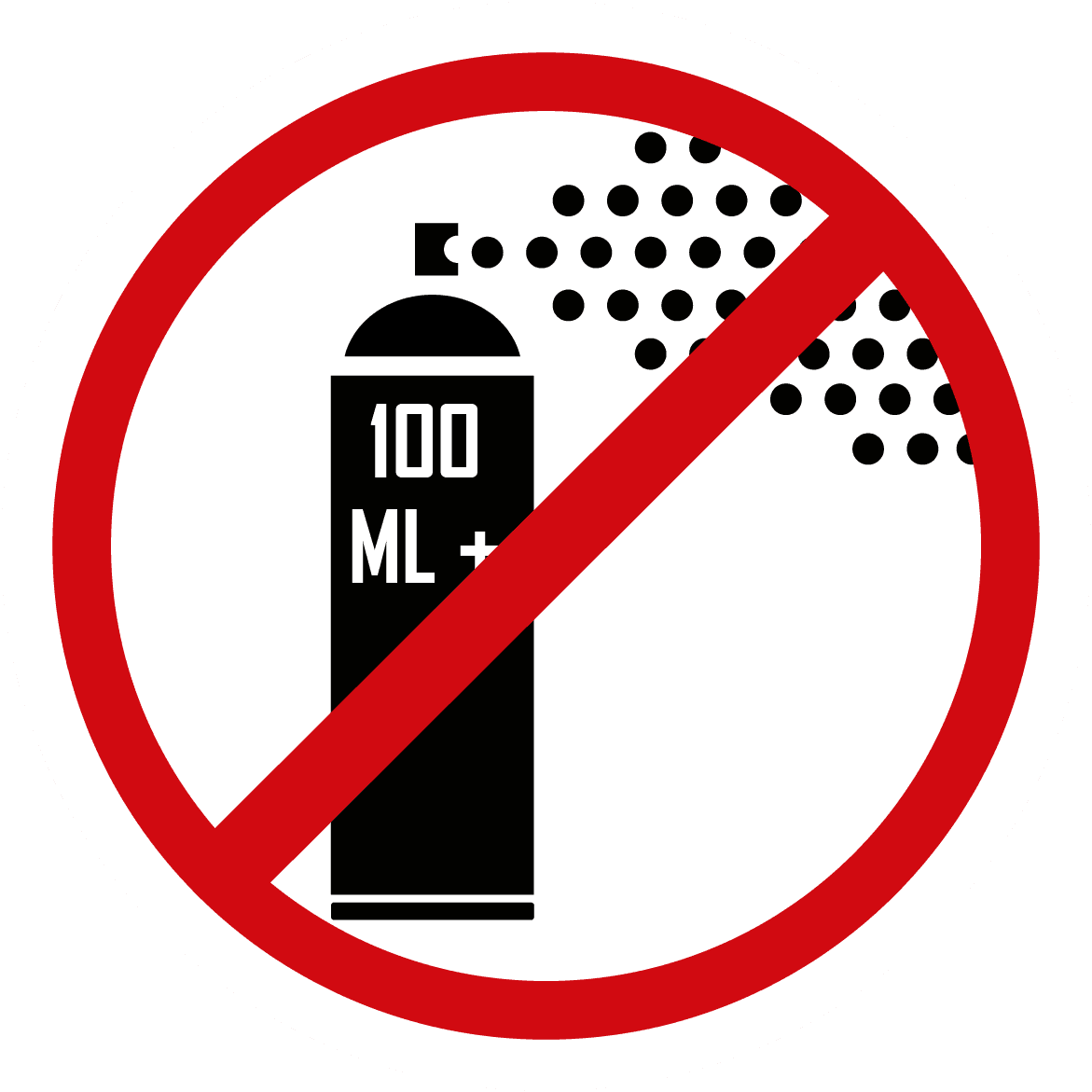
Aerosols
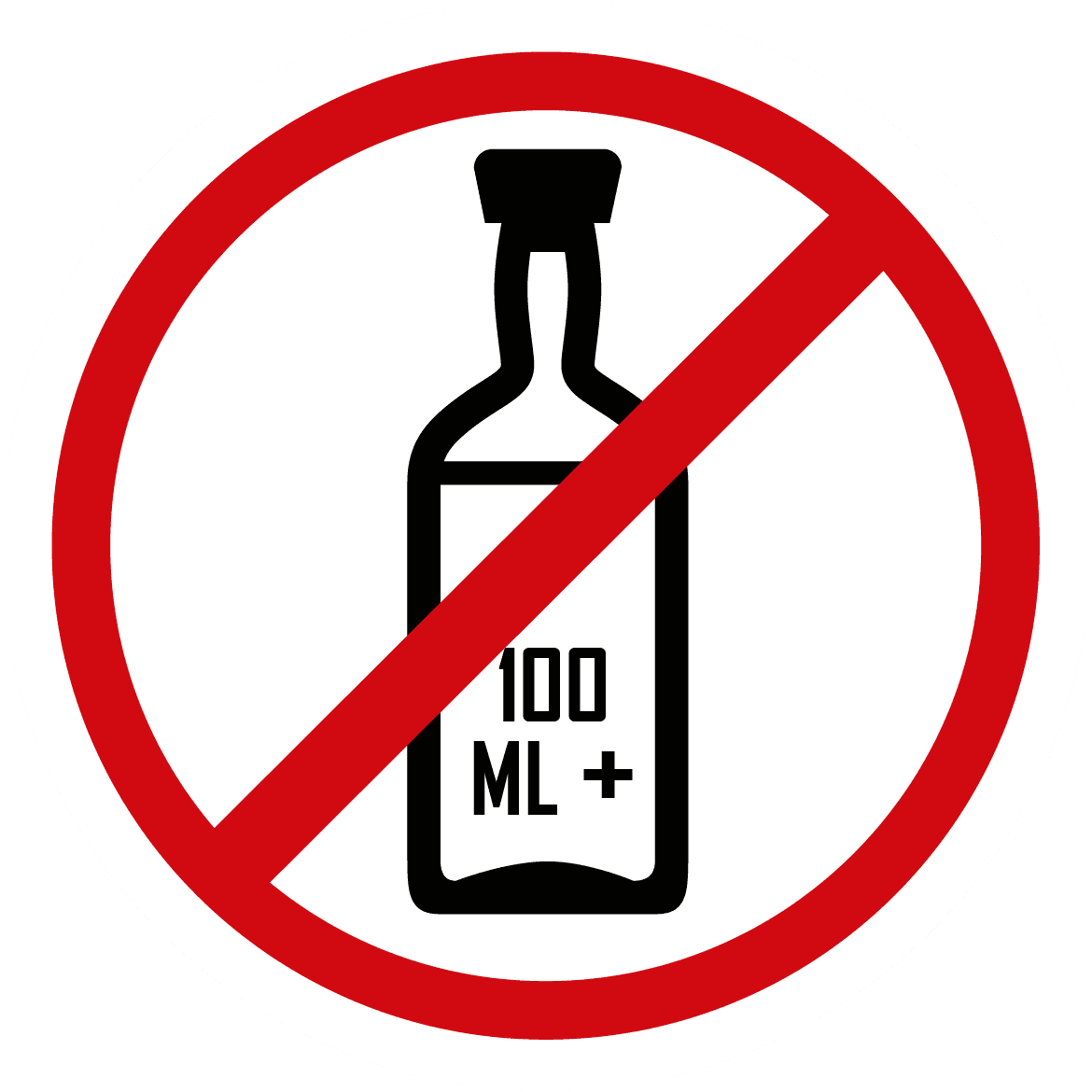
Liquids